Precious Lisboa
Emboldened by Monocle’s endorsement, and piqued by the praise of a number of friends we trust, we went for a weekend to discover what they all see in Lisbon. We’d found a cute rooftop apartment on Air BnB in the area of Biarro Alto a couple of weeks ago, and only had time since then to do some brief research on the plane . By the time we opened the door of the apartment, we knew we were in a very special location.
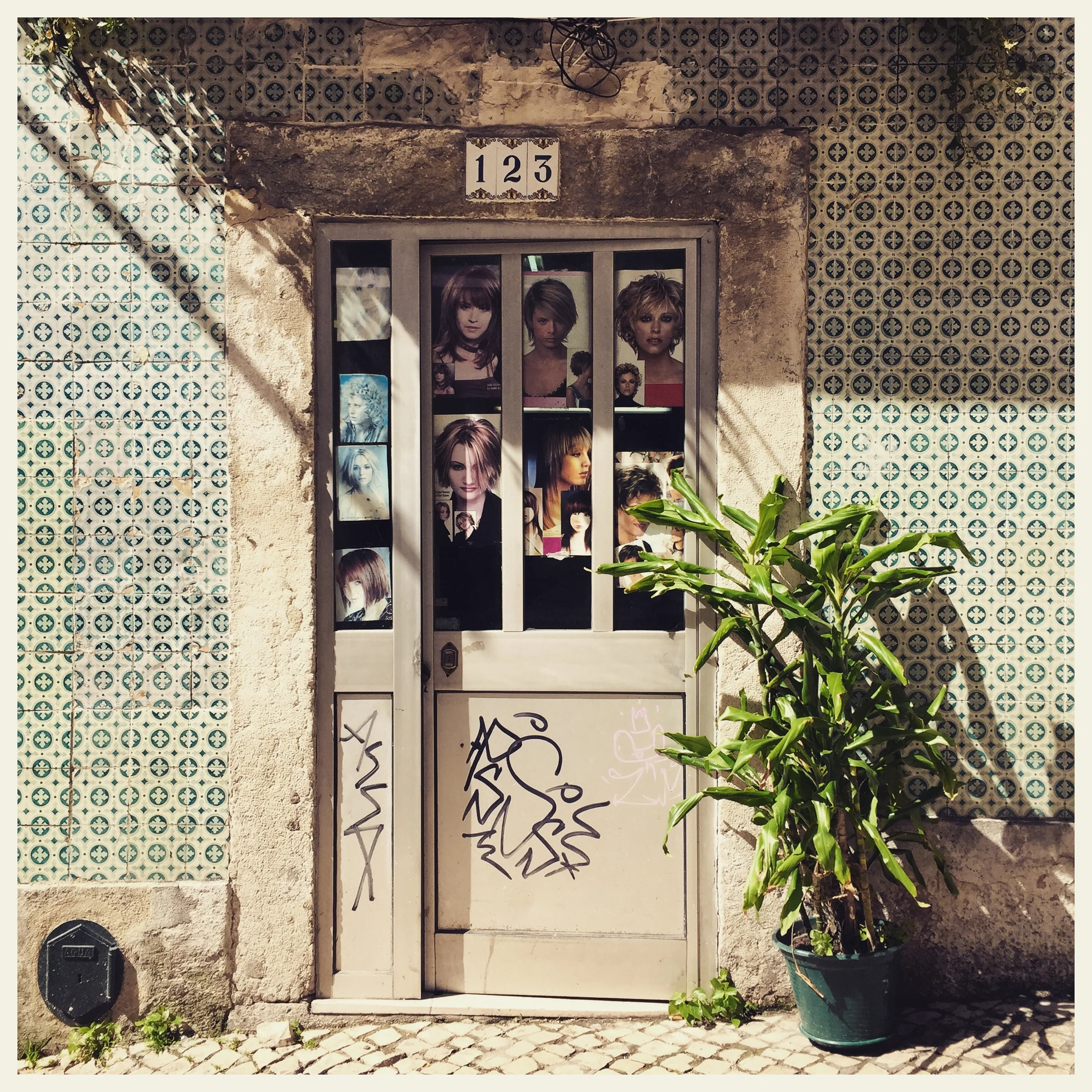
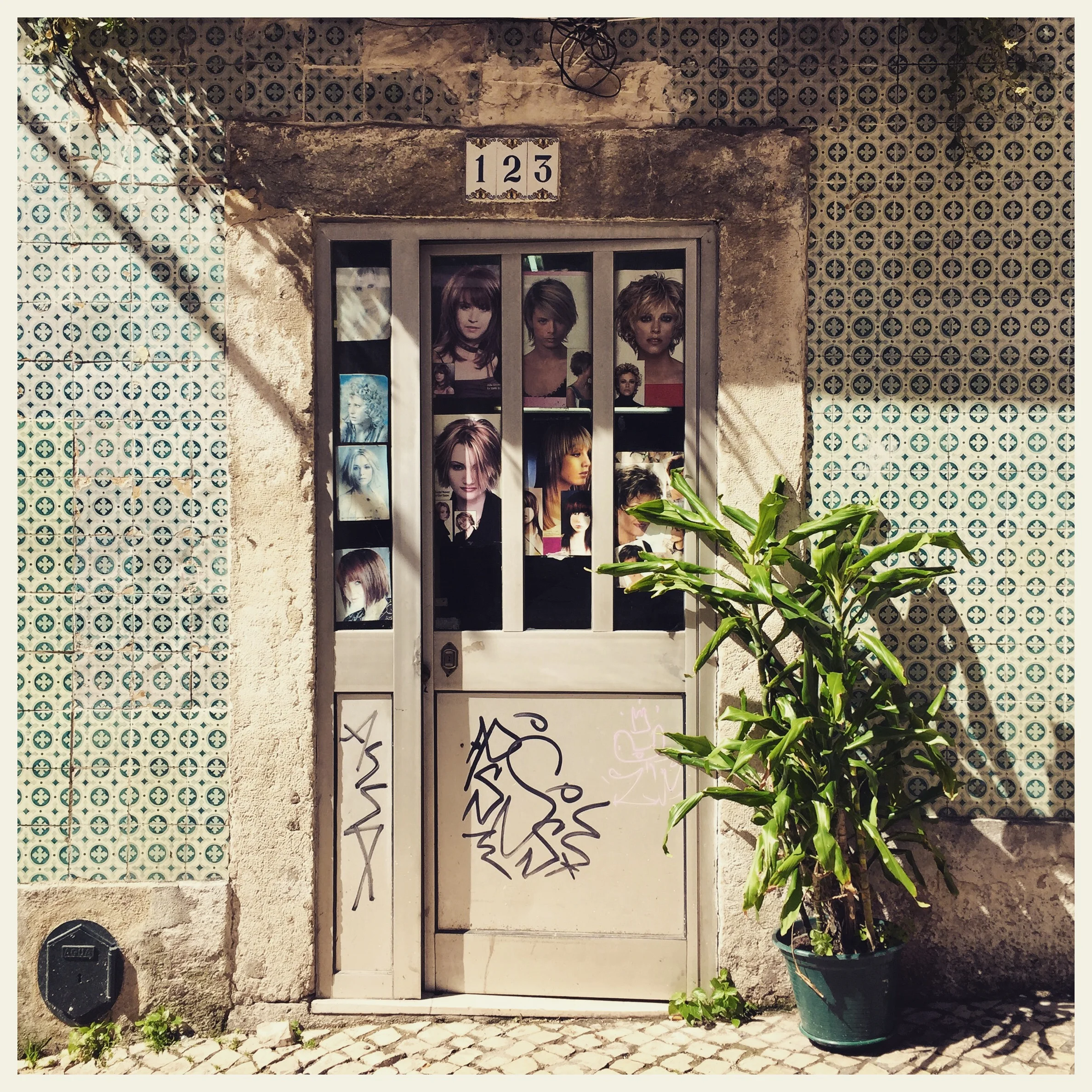
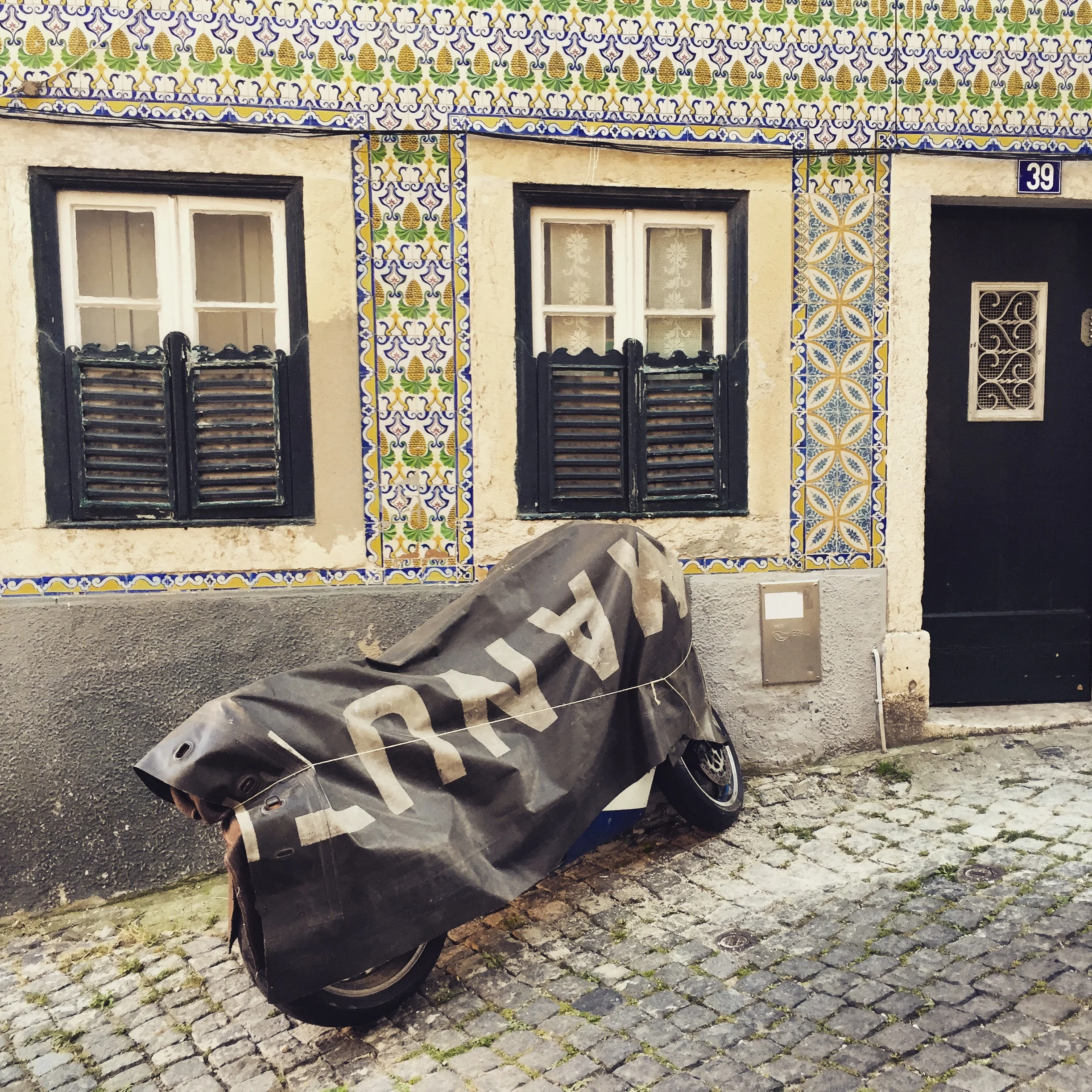
Lisbon has a proud awareness of its old charm, and an impressive way of making it contemporary. A quick run around on a Tuk Tuk gave us a sense of the main areas of Biarro Alto, Chiado, Baixa and Alfama (the oldest part). Immediately, the lesson learnt was that no matter where you stay in Lisbon you cannot avoid walking up hills or long flights of steps. This variation in height adds all the more to the city’s deep visual texture. While all beautiful cities have this dimension of height, in Lisbon the hills inside the centre roller coaster your experience as you swoop up and down and curve around buildings covered in azulejos shining in the evening light. Add to this height variation and textual glimmer: the water in the distance as you peek down an alleyway or over the rooftops, beautiful crumbling plastered 18th and 19th century buildings next to the stunning azulejos exteriors lining narrow cobbled streets, and you’ve got magic.
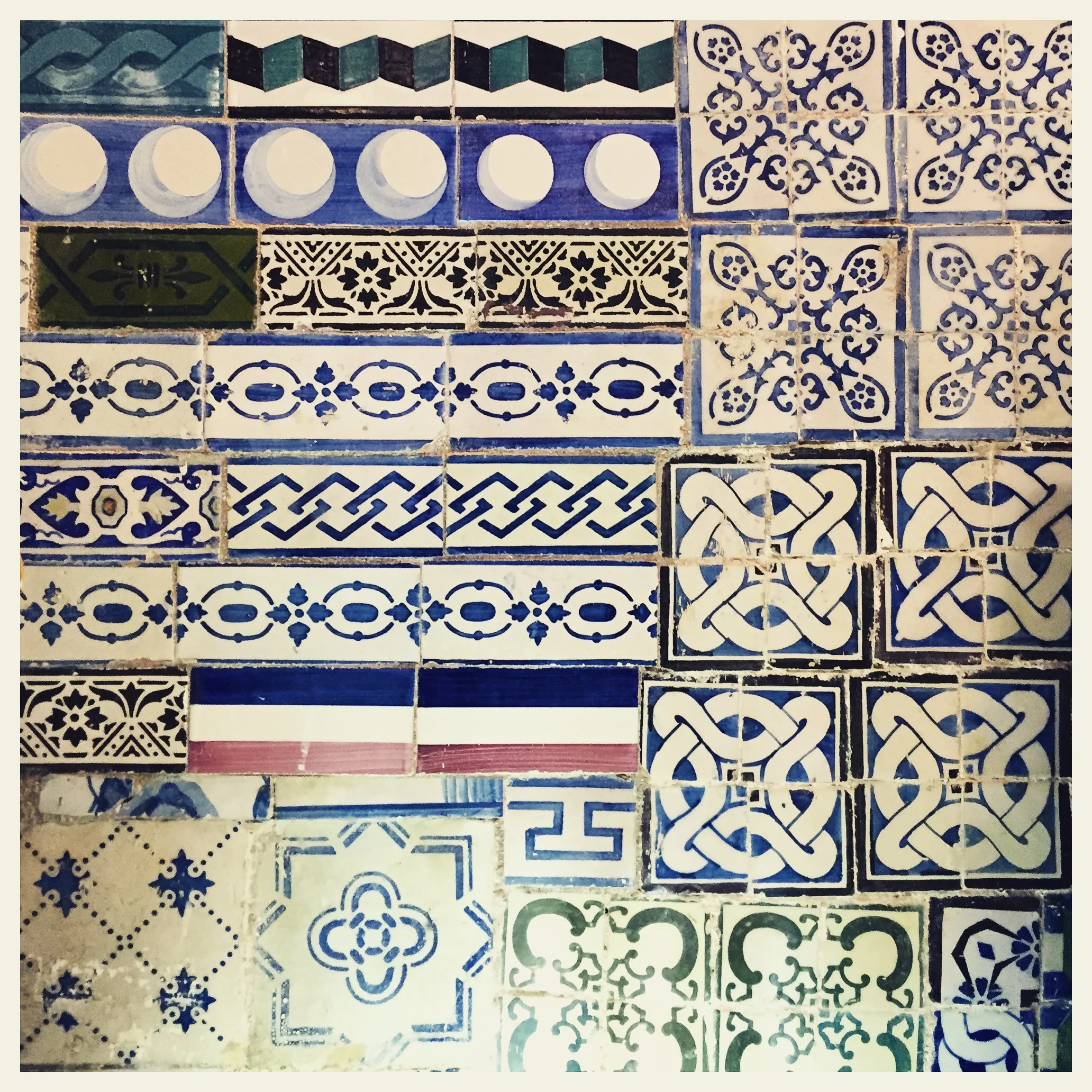
Azulejos
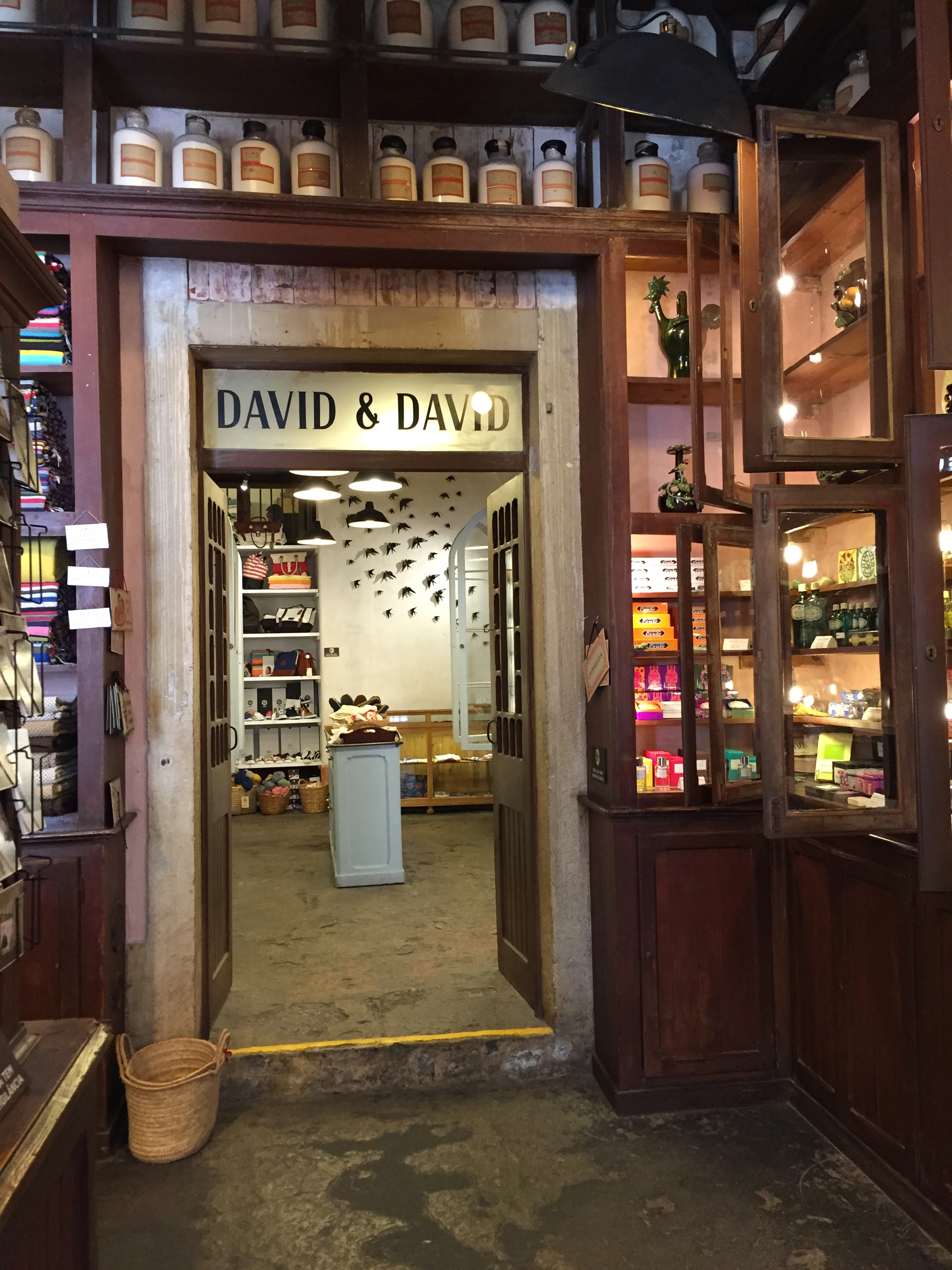
But this isn’t just a quaint old European city. It embodies the country’s growing sense that it has some of the best artisanal culture going, and the time has arrived globally for just this kind of edge. A trip to the astoundingly beautiful shop(s) - A Vida Portuguesa - will begin to train your eye to the beauty of the most modest can of tinned sardines. You’ll realize that the beautiful colognes you keep seeing in cool select shops in Paris, London and New York are all made in the Porto region in the North of the country. Its all part of Catarina Portas’s mission to showcase Portuguese manufacture in a ‘surprising light’. It’s easy to spend an entire day in the two shops in Chiado and Intendente, as you absorb the detailed beauty of the day-to-day products on sale.
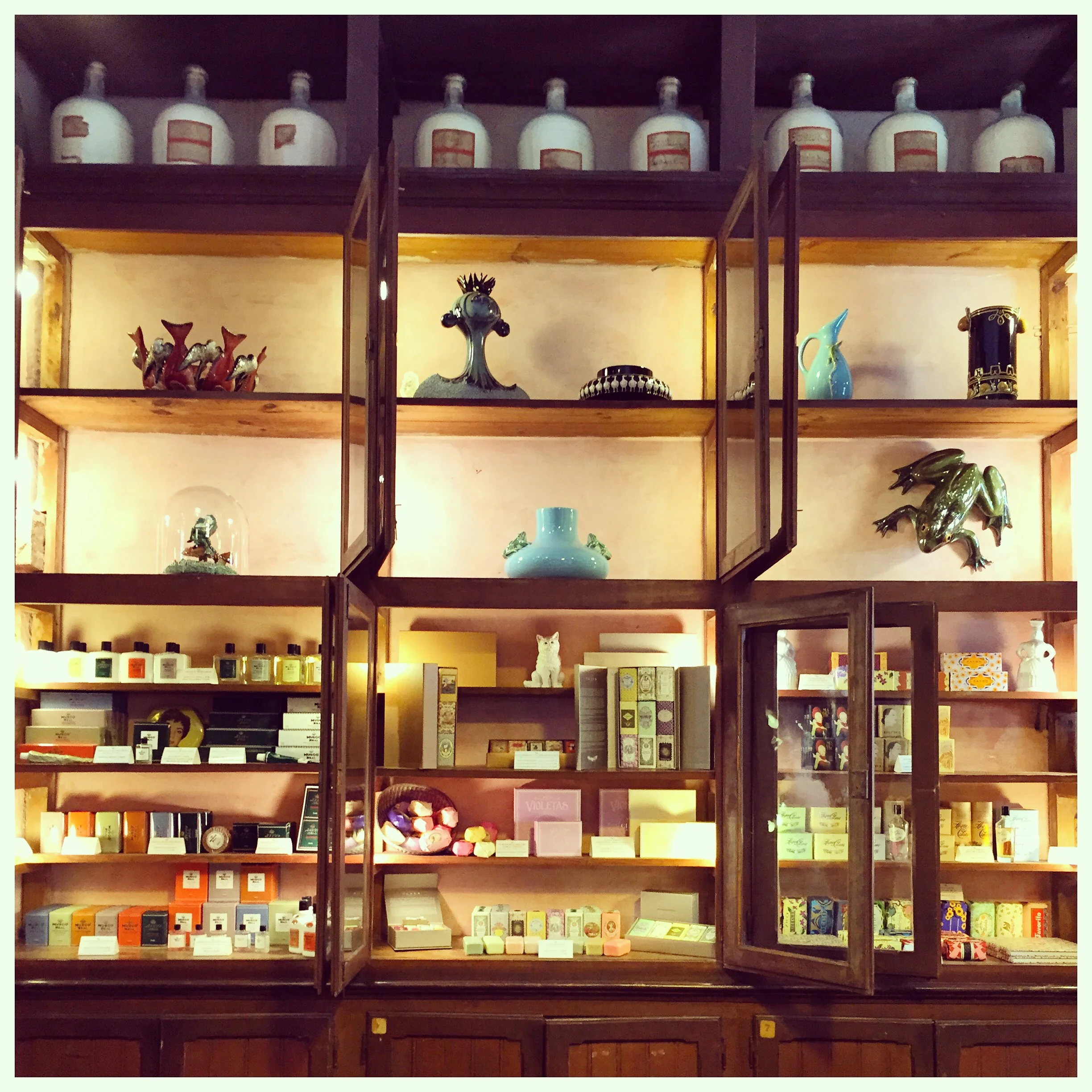
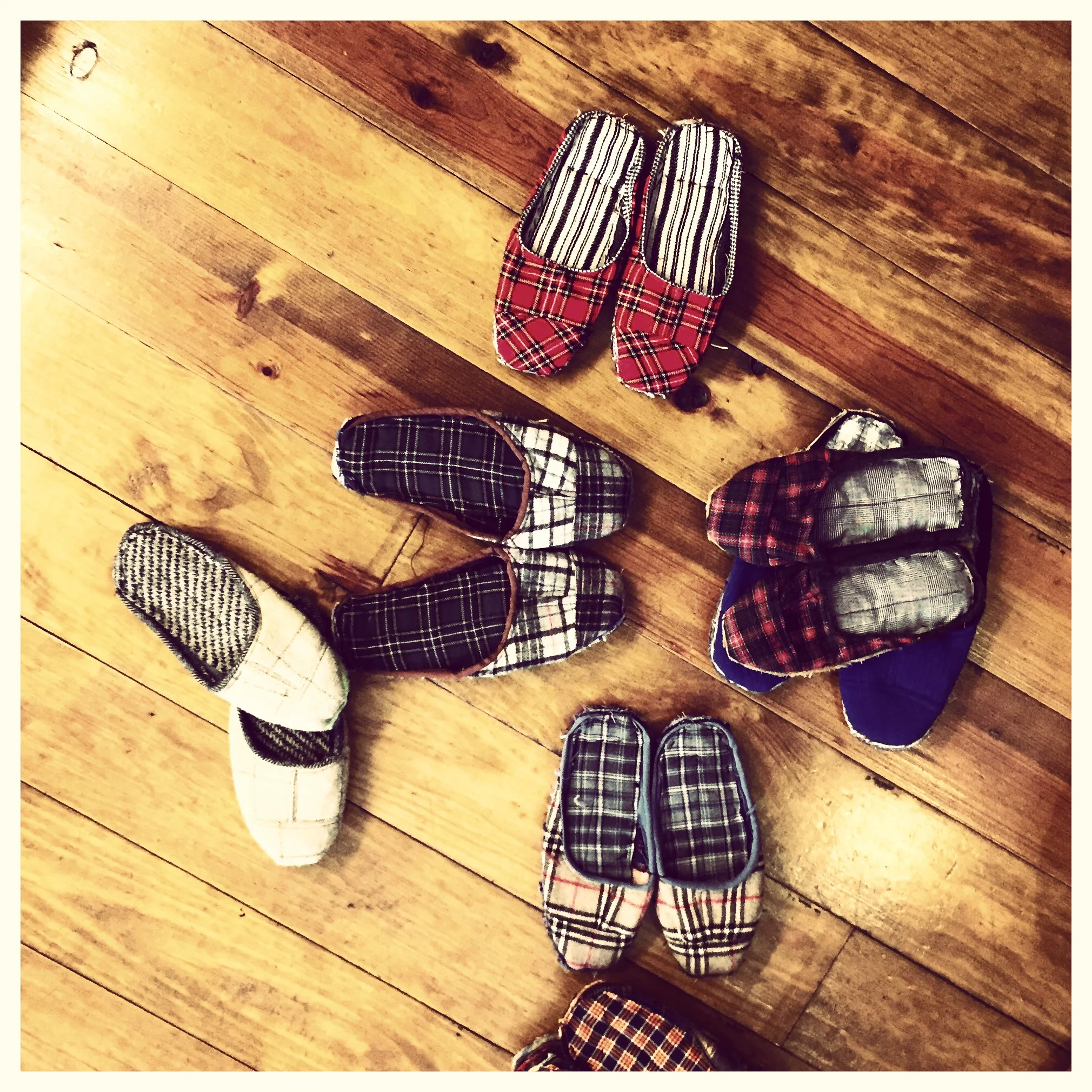
If the shoe fits - at A Vida Portuguesa
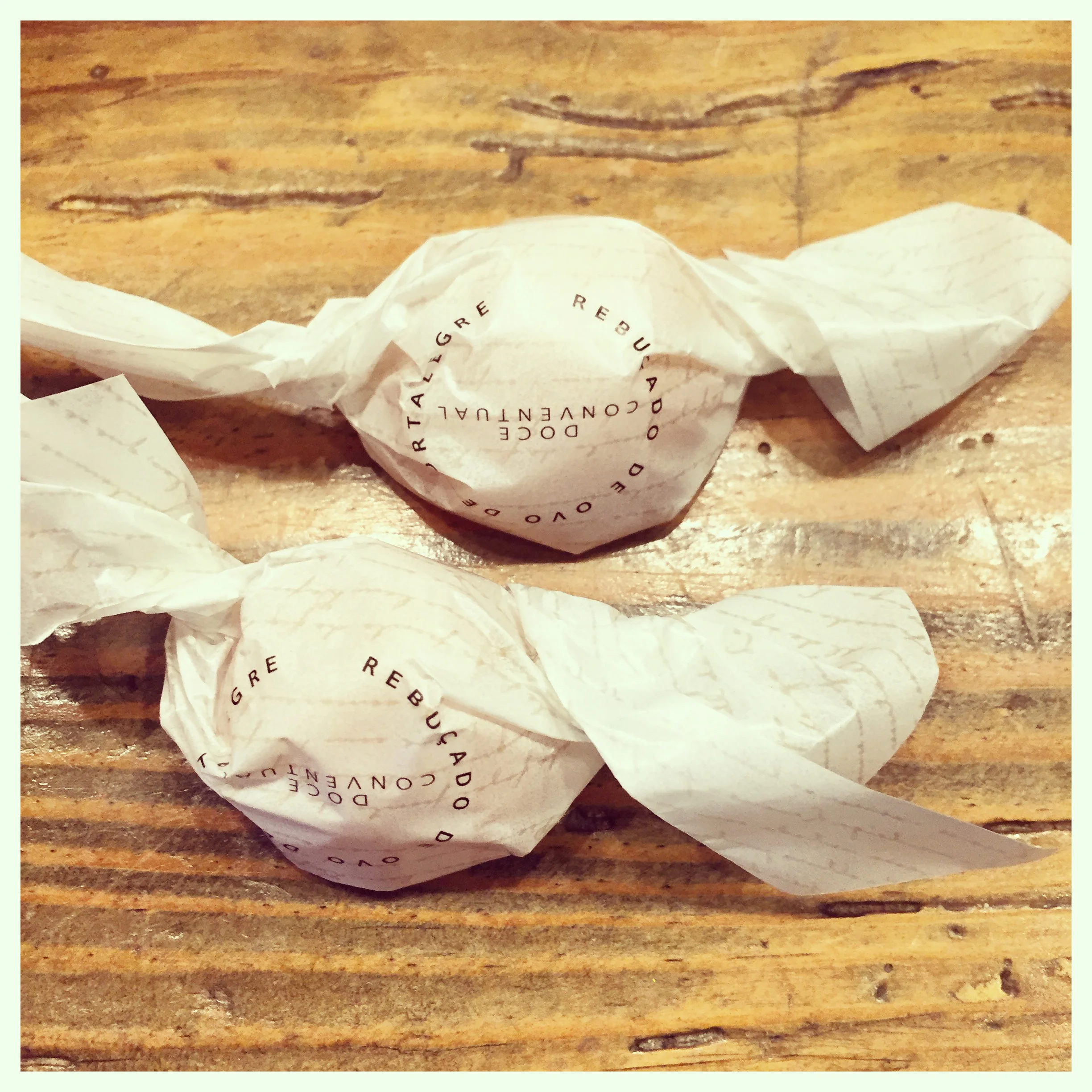
Local sweets - at A Vida Portuguesa
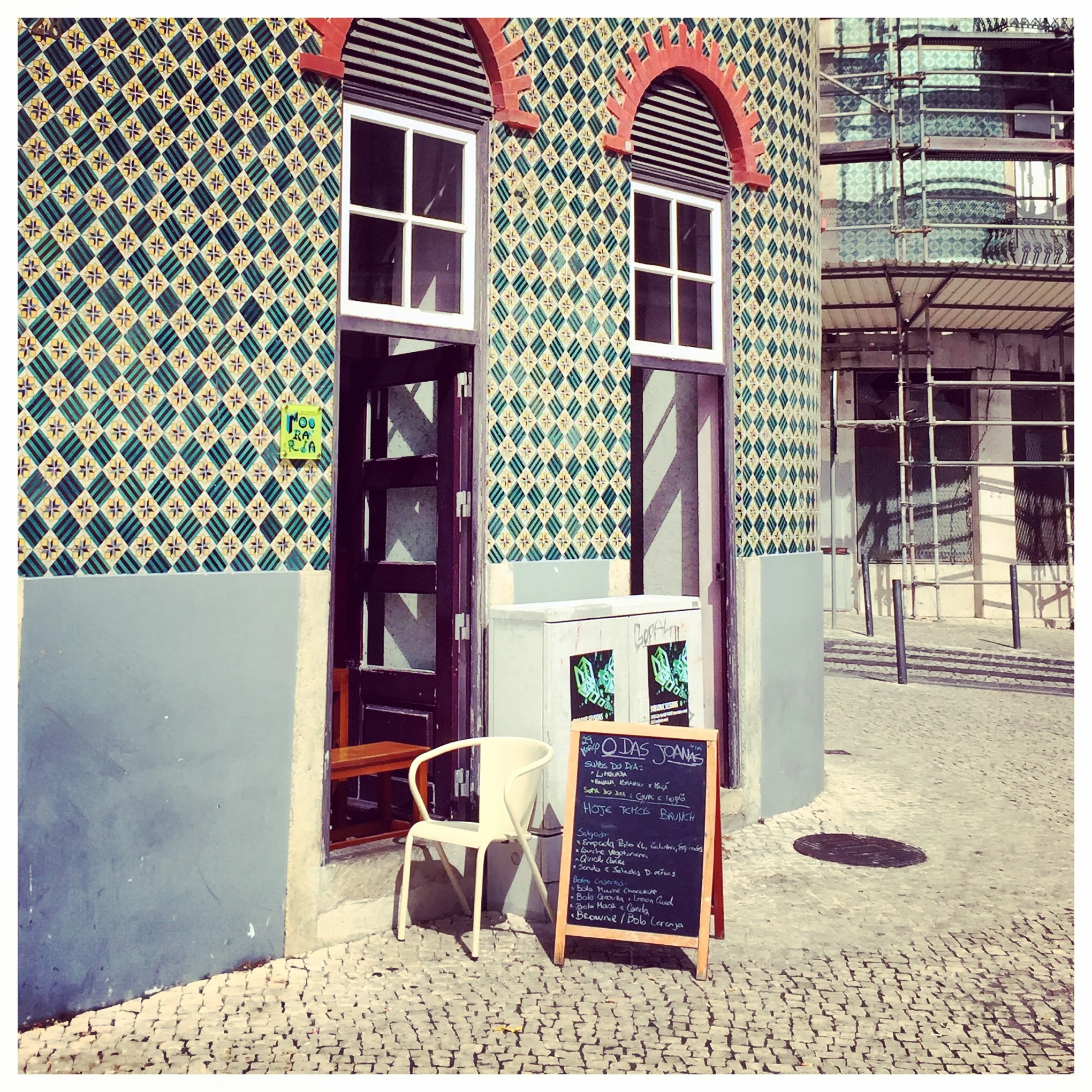
The weekend went on as an exploration of this deep history of artisanal commitment. At the Confeitaria Nacional, which has been owned and run by the same Castanheiro family since it opened 175 years ago, we tasted our first in a series of Pastel De Nata, and drank Mazagran, a deliciously light combination of coffee, ice, lemon (peel or a piece) and cinnamon. We set out to replicate this combination in a number of locations, sometimes without success. We found it again in a hip little café, O das Joanas, in the up-and-coming part- arty, part-dodgy, area of Largo do Intendente. But they’d never heard of Mazagran in the Brick Café, a well publicized and slightly overrated café 10 minutes from there. Nor had they heard of this irresistible drink in the beautiful Pastelaria-Padaria Sao Roque which was very near to our apartment in Principe Real.
There was absolutely no surprise on the face of our experienced waitress at the Pasteis de Belem when we asked for Mazagran to accompany our order of Pasteis. At first the endless queues outside the building will make you feel very unoriginal. But it is important to succumb to the crowds on this one rare occasion, even if the Guardian advises you to go instead to A Chique De Belem nearby or even further afield to the village of Alcobaca’s Pasteleria Alcoa which won the prize for the best Pastel in Portugal last year.
Inside Pasteis de Belem, you will find hordes of people (a lot of them local actually) sitting in a concentrated reverie consuming what is without question the finest pastry known to humankind. It is small wonder that pasteis was invented in the adjacent monastery - ‘Mosteiro dos Jeronimos’. If ever there was a way to prove the existence of a higher being, this is it. And if there is ever a strong defence against the now outlawed consumption of sugar, here it is. The whole experience is serious: seasoned Pasteis eaters, shake their cinnamon and caster sugar on their piled high plate, and some of them eat them with cold port. They order a lot of them and eat them quickly, as they come out hot and crumbly on the outside and heavenly on the inside. All in all this is definitely on the list of 100 things to do before you die.
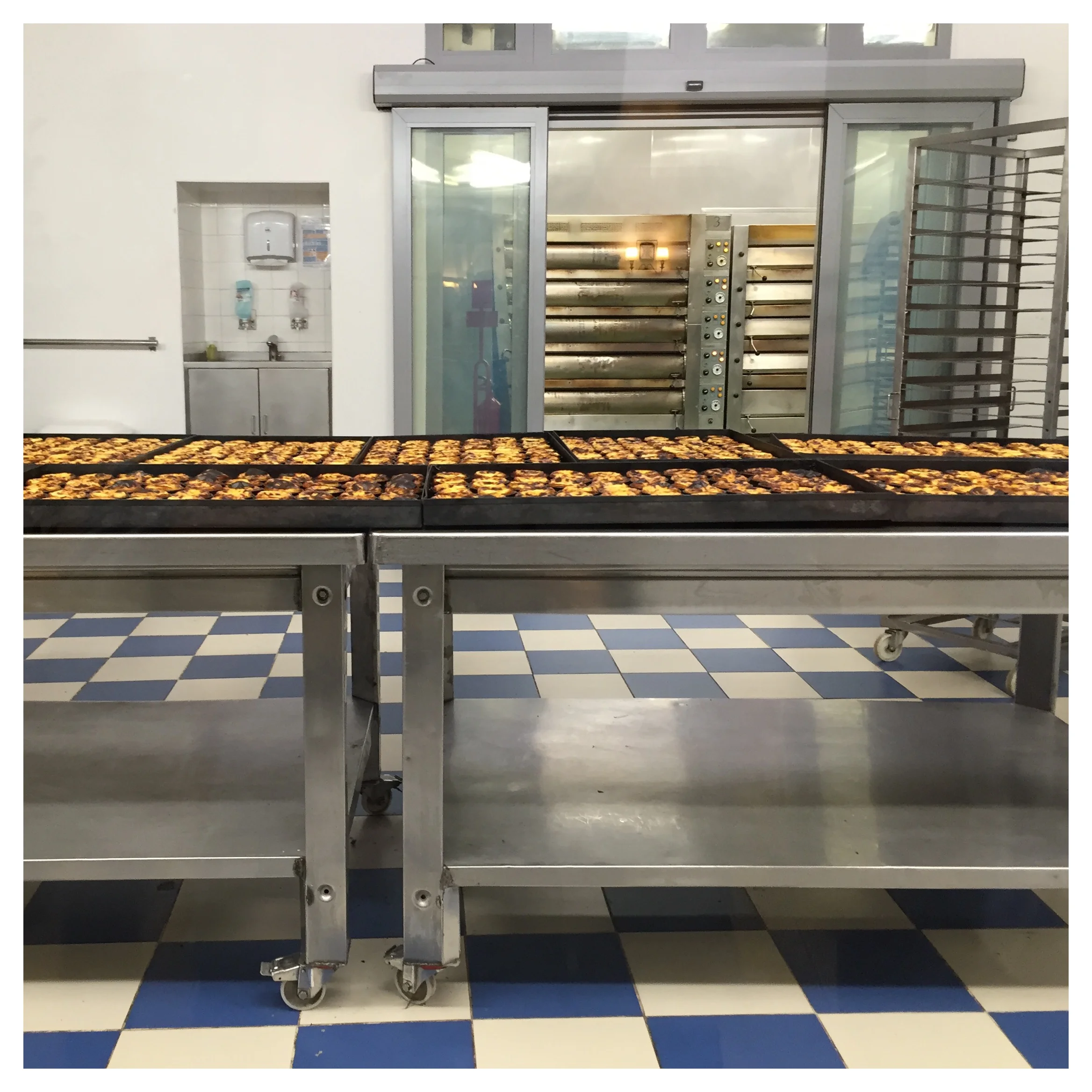
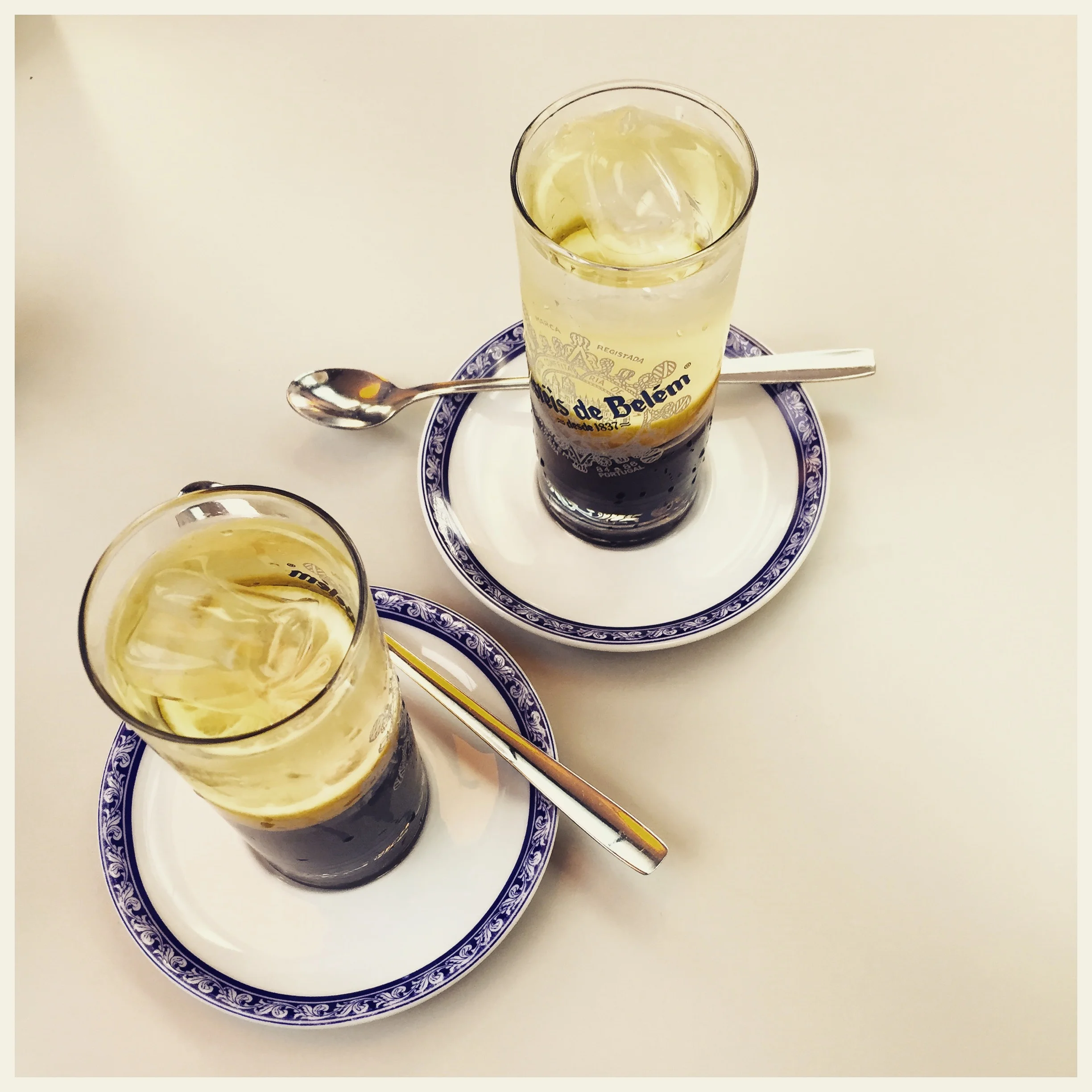
Mazagran - at Pasteis de Belem
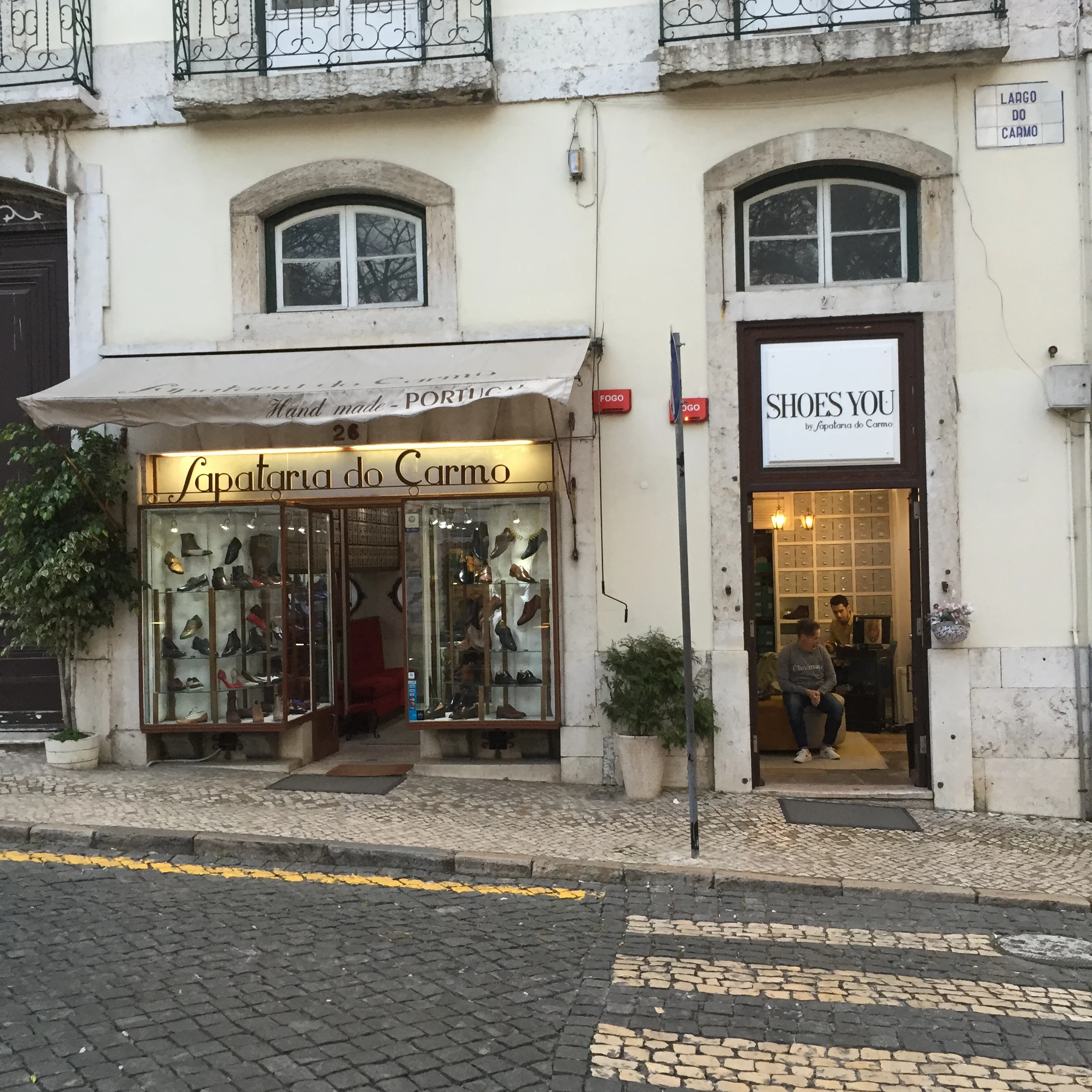
Once on a sugar high you may as well visit another highlight of local artisan tradition, Sapataria do Carmo, where we bought some beautiful handmade shoes. The original shop front has hardly changed since it opened in 1904. The next door trendier version of Shoes You was opened when the shop was taken over by three young and very attractive members of the Lourinho family: Sofia, Joao and Alexandra. We were served by Joao and the company photographer Denis. They kept the shop open for us and went out of their way to make us happy. There was no hiding their enthusiastic love for their new business. Who wouldn’t want to sell shoes as beautiful and lovingly made as these?
While the sweet pastries of Portugal, could make you run to places unheard of before, there was less revelation on the savoury front. This may well have been due to shortage of time on our part, and a non-inclination to eat suckling pig. There is no denying that Bacalhau is authentic, and a prided tradition in Portugal. But despite a number of attempts to join the tribe, we weren’t entirely convinced. It is partly that Bacalhau usually involves as many potatoes as it does, but also that it is hard to lift this dish beyond what it is, a warming comforting cod and potato casserole.
Our verdict on Bacalhau wasn’t reached for want of trying. Following leads in the Guardian, we went to the Time Out Mercado Da Ribeira in search of genuine cuisine. There was something a little alienating about the place. For one, the food hall had a very stark black and white theme, which made us feel that the varied cuisine of Portugal and Lisbon had been homogenized into one recognizable and austere font. There was the lingering suspicion that you had been lured into a glorified, and slightly contrived, food court, which, while more stylish than many I have seen in shopping malls, didn’t entirely exude what markets ought to make you feel. The eating hall was entirely separated from the produce hall which felt sad and abandoned in comparison. Something about the self-consciousness here took the fun out of the eating experience. Having said all that, we tried two Bacalhau dishes (including bacalhau croquets) which just didn't entirely impress. But there is a lot of variety at the Mercado, and spending a long time there will certainly give you a sense of what is on offer (not least as five top chefs have stands on the one side of the hall).
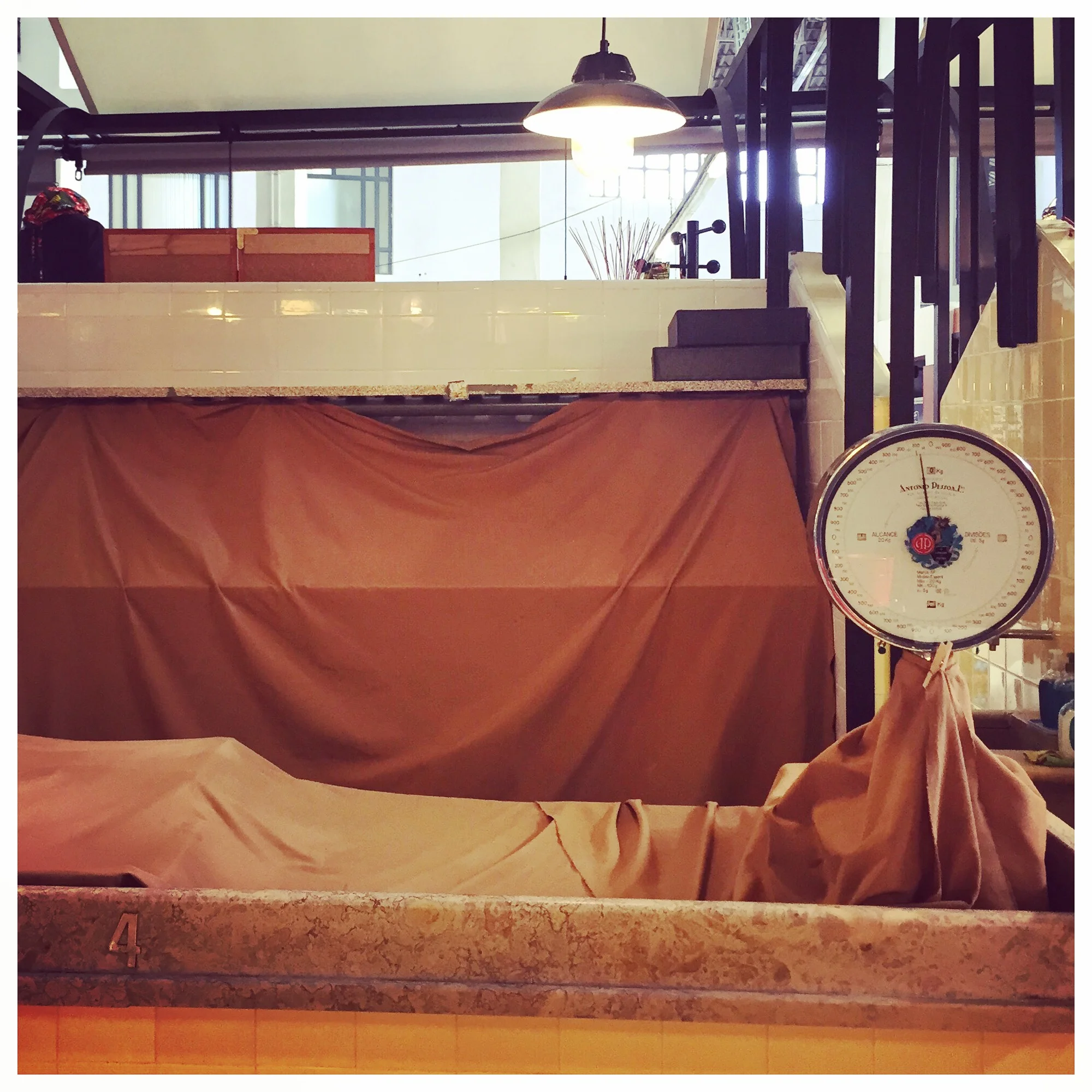
Later that day, we found ourselves in the attractive area of Santos inside a small wine shop. The owner, who was also selling his mother’s delicious sheep’s milk cheese, told us to visit the Mercado De Campo de Orique instead. We could see why. This was one was much smaller in scale, and the eating area was entirely integrated with the produce sellers. While a similar black and white theme was evident, this didn’t entirely dominate the feel of the space, which was also tiled in retro yellow tiles and had an altogether more lived in feel about it.
In the end, the best meals we ate were in two restaurants which were consciously forward looking. The best by far was the Petiscaria Ideal which we found after triangulating our data from Wallpaper, Monocle and a local and very useful website called Lisbonlux. Pesticaria Ideal is next door to its older sister restaurant Taberna Ideal. Both looked very quirky and interesting, and the food at Pesticaria was delicious. Top on our list that night was the clam and mussel stew on soft polenta, which had a very tasty white wine and parsley tang to it. Another restaurant with a good sense of itself, and interesting cuisine, was Oficina. This is located on the stairway Calcada Do Duque and has a decidedly local and young feel. It is also the newer version of a well publicized restaurant called Callique.
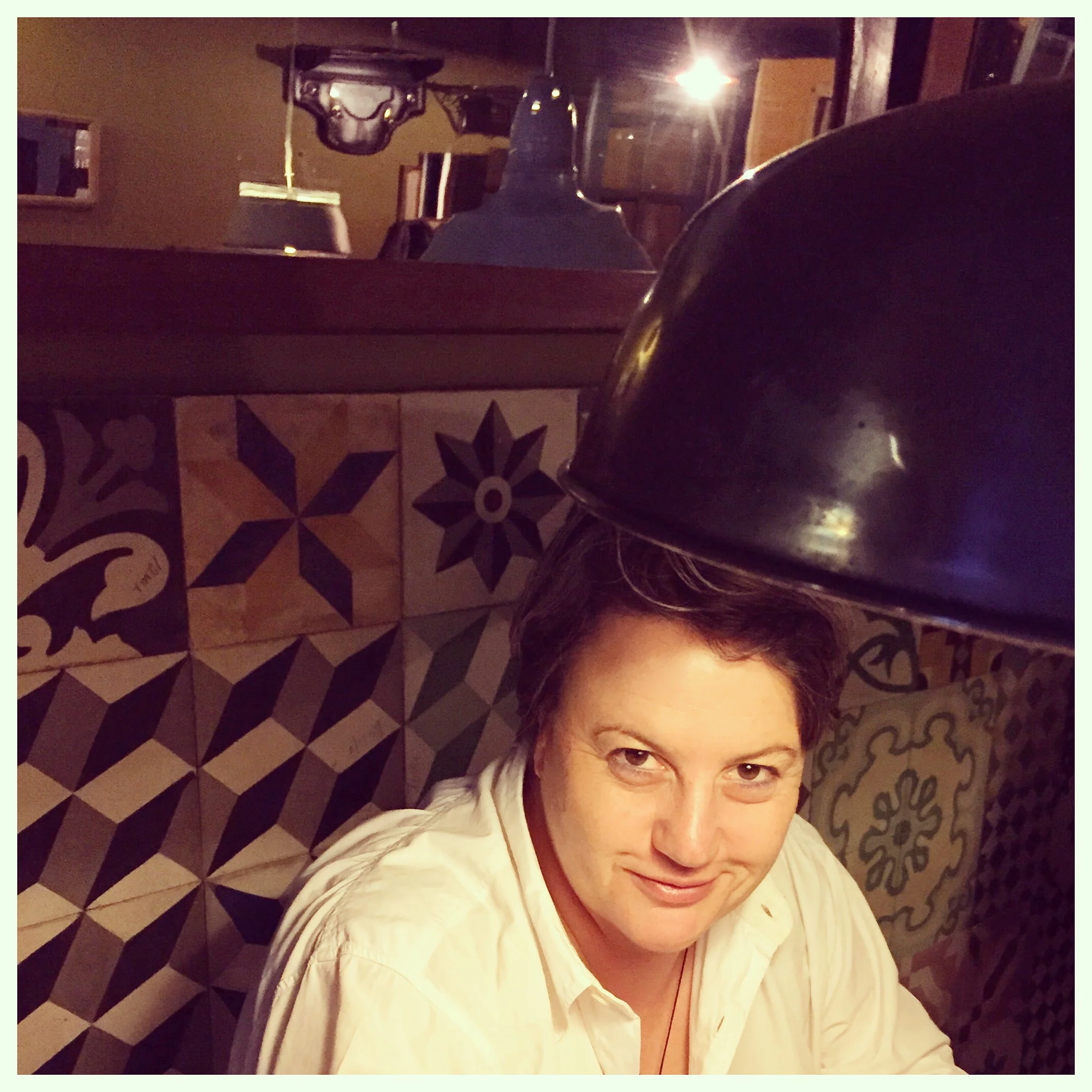
Mrs L - at Petiscaria Ideal
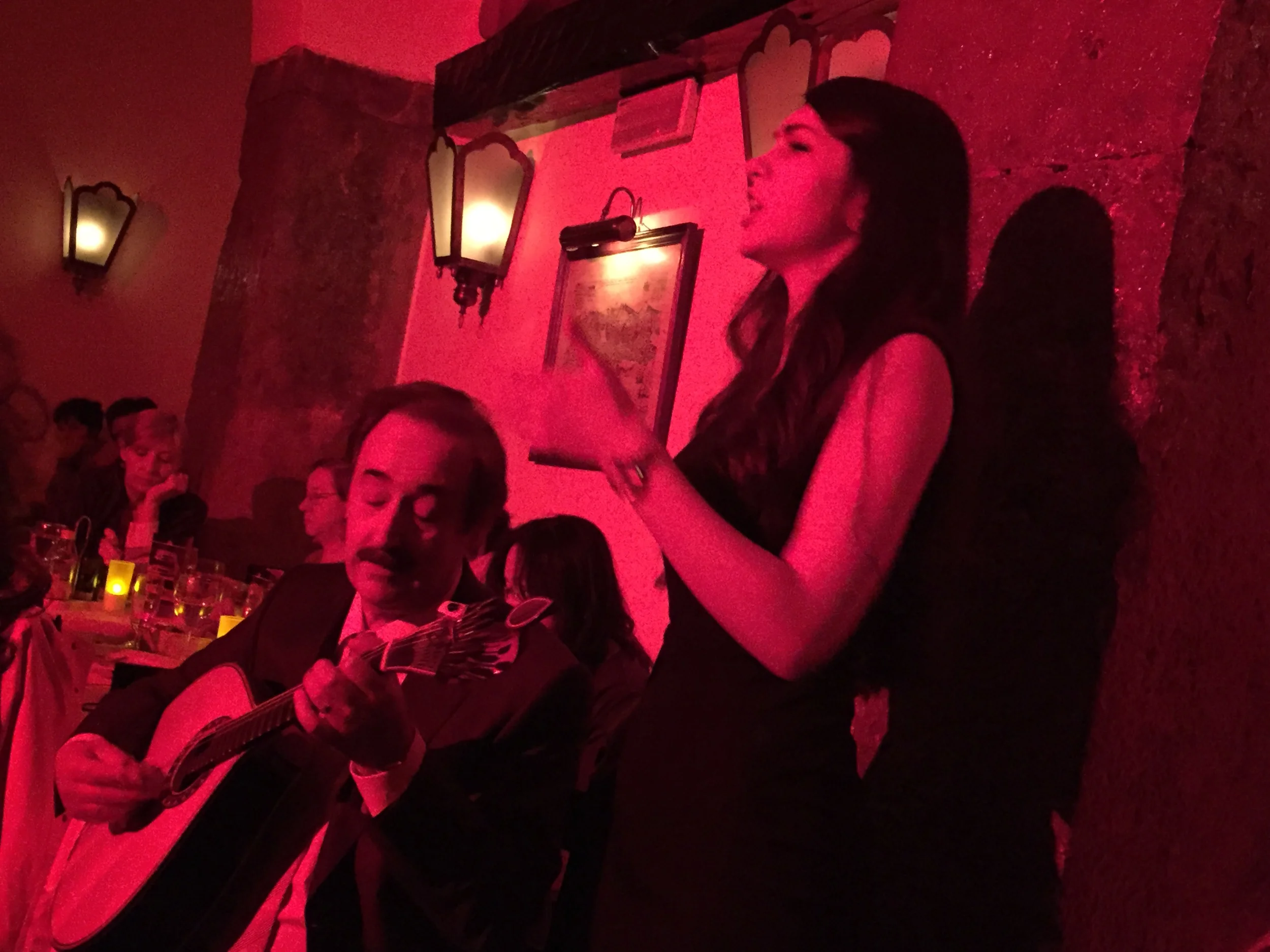
Finally, having been introduced to Amalia Rodriguez nearly 20 years ago, it was Liora’s one wish to see some live Fado singing. There are a range of ‘Fado’ restaurants in Alfama. But coming from a singing family, she wasn’t interested in restaurant owners trying their thing. Instead, we went for the recommended Clube De Fado, where there was a Fado ensemble and singers of strong quality. We negotiated at some expense to avoid eating the meal you are expected to eat while listening. The food looked entirely institutional and was seriously overpriced. Notwithstanding, it was the right decision to come and hear Fado in such an intimate space. The luxurious and distinctive tones of the music, reaffirmed what we’d been feeling all day. That Portugal is a proud guardian of its own authentic style and heritage. Having stood still for some time, Lisbon, now embodies the global move back to authentic local traditions, sounds and tastes. It knows it too.